
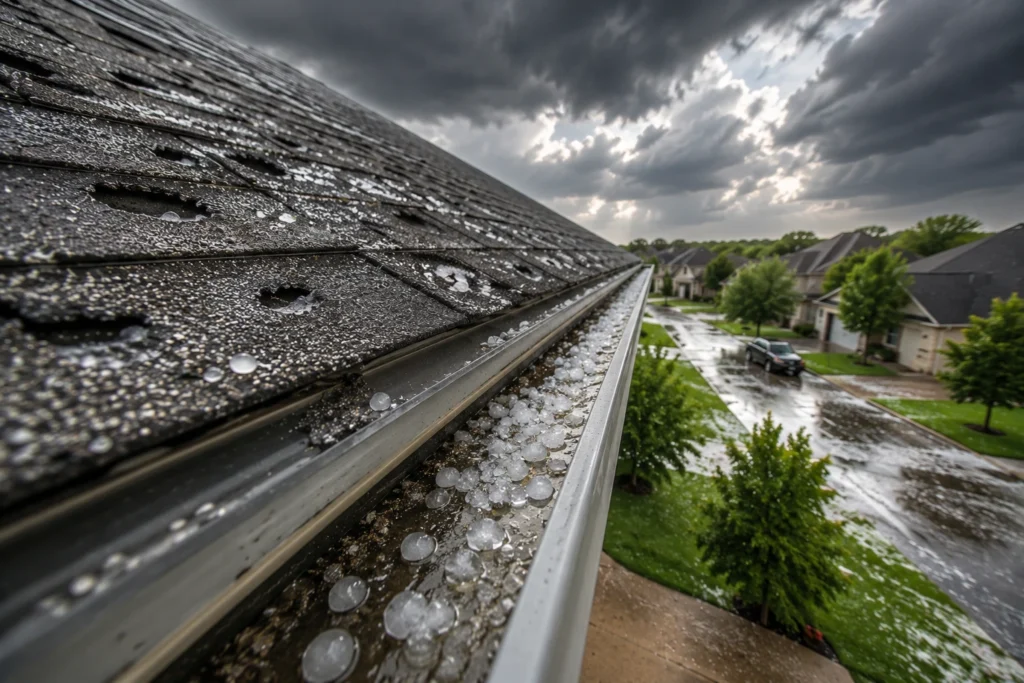
Hail Damage Claim Supplements: What Carriers Miss in Their Scope is one of the most important conversations happening in the Texas insurance world right now. And honestly, it should be. Thousands of homeowners receive insurance estimates every year that look complete at first glance but fall apart once real restoration work begins. That is where supplements enter the picture.
A roof replacement starts. Shingles come off. Flashing problems appear. Code requirements surface. Ventilation issues become obvious. Suddenly the approved estimate no longer reflects the actual work required to restore the property correctly. I have seen it happen repeatedly. A homeowner believes the insurance company covered everything, only to discover later that critical items were either underpaid, partially scoped, or completely ignored.
This is especially common after major Texas hailstorms when adjusters are handling massive claim volumes under tight timelines. In cities like Leander, where hailstorms can produce significant roofing damage in just minutes, supplement accuracy matters more than ever. A weak scope can leave homeowners stuck between contractors, carriers, and mounting repair costs. That is why understanding supplements and understanding Xactimate becomes critical.
Understanding Hail Damage Claim Supplements
A supplement is an additional request for payment submitted after missing or underestimated damage is discovered during the claims process. Simple concept. Huge impact. The original insurance estimate is not always final. In fact, many hail claims require adjustments because the first inspection often misses important components.
Supplements usually occur because:
- Hidden damage was not visible initially
- Roofing systems require additional labor
- Building codes trigger upgrades
- Materials are discontinued
- Measurements were inaccurate
- Additional components require replacement
This does not automatically mean a carrier acted in bad faith. Sometimes the initial inspection was simply incomplete. But incomplete scopes still create financial problems for homeowners.
Why Initial Carrier Scopes Are Frequently Incomplete
Insurance adjusters often work under difficult conditions after severe storms. Think about the reality for a moment. One major hailstorm can generate thousands of claims across a region. Adjusters move rapidly from house to house trying to inspect roofs, document damage, and issue estimates quickly.
That pace creates gaps. Some inspections last less than an hour. Others may focus heavily on visible shingle damage while overlooking secondary systems that also sustained impacts.
Here are some common reasons estimates come in low:
| Common Scope Issue | Result |
| Limited roof inspection time | Missed damage areas |
| No attic inspection | Hidden moisture problems ignored |
| Incomplete measurements | Material shortages |
| Missing code upgrades | Insufficient repair funding |
| Minimal line items | Contractors unable to complete work properly |
And once work begins, those missing items suddenly become impossible to ignore.
What Carriers Commonly Miss in Their Scope
This is where Hail Damage Claim Supplements: What Carriers Miss in Their Scope becomes extremely important. Many homeowners assume roofing claims only involve shingles. Not even close. A roofing system contains multiple interconnected components. When hail damages one section, related materials often require repair or replacement too.
Roofing Components Frequently Omitted
I regularly see missing line items involving:
- Starter shingles
- Ridge cap shingles
- Drip edge
- Pipe jack flashing
- Valley metal
- Ice and water barriers
- Ventilation upgrades
- Chimney flashing
- Underlayment replacement
These are not optional accessories. They are necessary roofing components. If they are excluded from the estimate, somebody eventually absorbs the cost. Usually the homeowner or contractor.
Soft Metal Damage Gets Overlooked Constantly
Soft metals are often the clearest evidence of hail impact. Yet they are frequently minimized or ignored.
This includes:
- Gutters
- Downspouts
- Roof vents
- Window screens
- HVAC condenser fins
- Garage doors
- Metal flashing
Soft metal damage matters because it supports the overall storm-loss narrative. It also affects property appearance and functionality. A dented gutter system may still channel water temporarily, but that does not mean it escaped storm damage.
Interior Damage Is Often Missed
Roof leaks do not always appear immediately. Water intrusion can take days or weeks to reveal itself. By then, the original estimate may already be finalized.
Commonly missed interior issues include:
- Ceiling stains
- Wet insulation
- Drywall swelling
- Paint damage
- Mold development
- Trim deterioration
This is why comprehensive inspections matter. The roof tells only part of the story.
Why Xactimate Expertise Changes Everything
Let’s talk about Xactimate. Because if you truly want to understand supplements, you need to understand how estimates are built. Xactimate is the estimating platform widely used throughout the insurance restoration industry. Carriers, contractors, and public adjusters all rely on it to build repair estimates. The software itself is powerful. But the expertise behind the estimate matters even more. Two people can inspect the same roof using Xactimate and produce wildly different totals. That surprises many homeowners.
Why?
Because estimating is not just about measurements. It involves judgment, experience, and detailed understanding of roofing systems.
Common Xactimate Errors That Reduce Claim Value
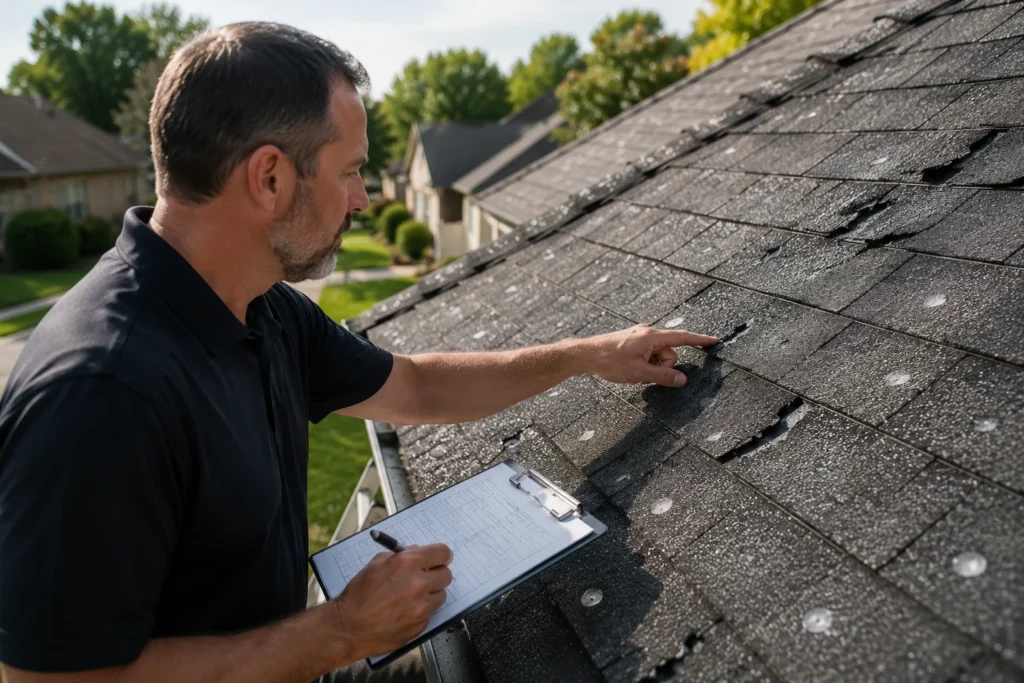
Here are some of the most common problems I see inside underpaid estimates:
| Xactimate Error | Financial Impact |
| Incorrect waste calculation | Insufficient materials |
| Missing steep charges | Labor underpayment |
| No detach/reset items | Hidden contractor expenses |
| Inaccurate drip edge quantities | Material shortages |
| Missing code line items | Compliance problems |
| Underestimated labor complexity | Contractor disputes |
Small omissions add up fast. A missing ridge cap line item here. An omitted steep charge there. Suddenly the claim becomes thousands of dollars short. That is why Hail Damage Claim Supplements: What Carriers Miss in Their Scope often revolves around detailed Xactimate review.
How Supplements Are Built Properly
Strong supplements are not random requests for more money. They require evidence. The best supplement packages are structured, documented, and professionally presented.
Step 1: Comprehensive Re-Inspection
The process starts with another inspection. Not a quick glance from the driveway. A real inspection.
That usually includes:
- Full roof analysis
- Soft metal evaluation
- Attic inspection
- Interior moisture assessment
- Flashing review
- Ventilation analysis
- Code compliance review
In Leander, where roofing systems face repeated storm exposure and intense heat cycles, thorough inspections become even more important. Small vulnerabilities turn into major issues quickly.
Step 2: Detailed Photo Documentation
Insurance companies pay based on evidence. That sentence matters.
The strongest supplements contain organized photo documentation showing:
- Wide-angle roof views
- Close-up hail impacts
- Collateral damage
- Measurement references
- Code-related deficiencies
- Interior leak evidence
Professional documentation builds credibility. Sloppy documentation creates resistance.
Step 3: Line-by-Line Xactimate Estimating
This is where expertise truly shows. Every roofing component must be entered correctly into Xactimate. Every labor requirement matters. Every measurement affects the outcome.
The estimator must understand:
- Roofing system assembly
- Local code requirements
- Regional pricing
- Material compatibility
- Labor complexity
- Safety requirements
That knowledge dramatically affects claim accuracy.
Hidden Costs Many Claims Ignore
Some of the biggest supplement disputes involve labor complexity. Homeowners rarely see these issues coming.
Steep Roof Charges
Steep roofs require:
- Additional safety equipment
- Slower installation pace
- Increased labor risk
- Specialized staging
Yet steep charges are commonly missing from original estimates. That omission alone can significantly reduce contractor profitability and create project delays.
Multi-Story Access Challenges
Two-story and steep-access homes increase labor complexity substantially.
Additional considerations include:
- Ladder setup time
- Material transport
- Safety harness requirements
- Debris management
- Equipment positioning
These are real costs. And they belong in the estimate.
Detach and Reset Items
Another major supplement category involves detach-and-reset work.
Examples include:
- Solar panels
- Satellite dishes
- Gutters
- Exterior lighting
- HVAC equipment
- Patio covers
These components often must be temporarily removed during roofing work. If omitted from the estimate, contractors either absorb the expense or homeowners face surprise invoices later. Neither situation is ideal.
Code Upgrades Create Massive Supplement Opportunities
Building code requirements frequently change the scope of a hail claim. This is one of the biggest areas carriers initially miss.
For example:
- Ice and water barrier requirements
- Drip edge installation mandates
- Ventilation standards
- Decking attachment rules
- Underlayment upgrades
Code items can add thousands of dollars to a claim legitimately. And in Texas storm markets, code enforcement has become increasingly important.
In Leander, local construction standards and permit requirements may affect the final restoration scope significantly. Ignoring those requirements creates compliance issues later.
Why Roofing Codes Matter More Than Ever
Modern roofing systems are expected to perform under extreme conditions.
Texas storms bring:
- Large hail
- High winds
- Sudden temperature swings
- Heavy rainfall
- Intense UV exposure
Because of that, building standards evolve over time. Older roofs may not meet current code requirements once replacement begins. This catches many homeowners off guard. A roof installed 15 years ago may have been fully compliant at the time, but current code requirements can trigger upgrades during replacement. Those upgrades should be reviewed carefully during the supplement process.
Why Documentation Wins Supplement Disputes
Emotion does not win insurance disputes. Documentation does. The best supplement files are organized almost like legal cases.
Every claim should include:
- Inspection reports
- Roof diagrams
- Measurement data
- Material specifications
- Code references
- Contractor reports
- Photo evidence
- Moisture readings
The stronger the documentation, the harder it becomes to dismiss legitimate scope concerns.
Drone Imaging Has Become Extremely Valuable
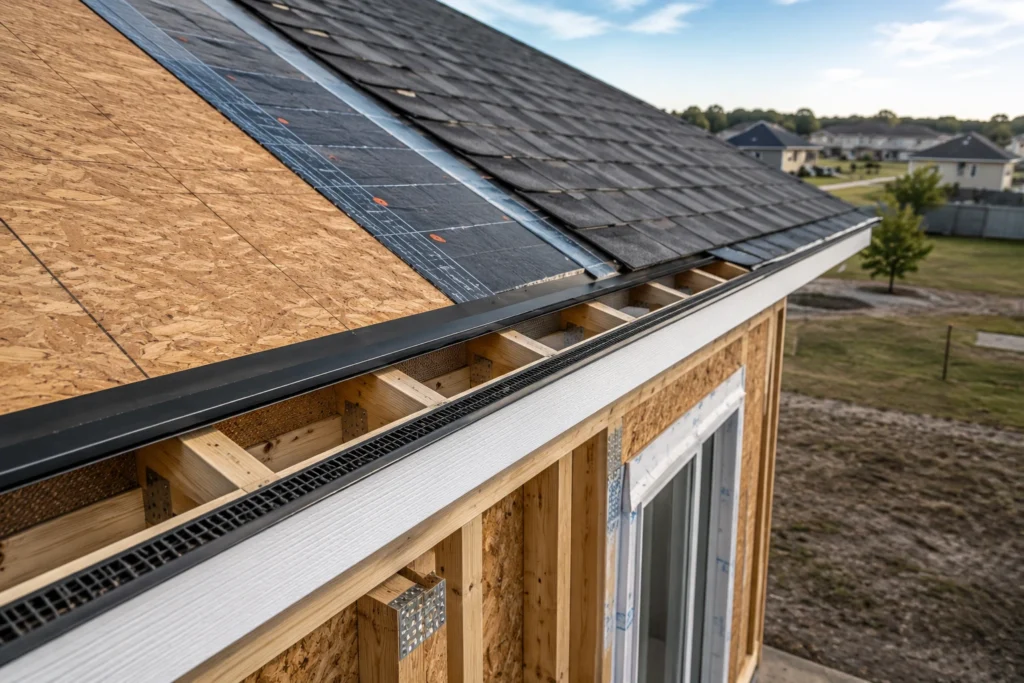
Drone technology now plays a major role in supplements.
Aerial imagery provides:
- High-resolution roof overviews
- Safer inspections
- Better slope analysis
- Precise damage mapping
- Comprehensive photo organization
It creates clarity. And clarity helps resolve disputes faster.
The Contractor vs Carrier Scope Problem
This conflict happens constantly. A contractor reviews the approved insurance estimate and immediately notices missing items. The homeowner becomes confused. Who is correct? Sometimes both sides partially are. Carrier estimates often prioritize visible storm damage. Contractors focus on the actual work required to complete restoration properly. Those perspectives do not always align. This creates tension during repairs. A supplement bridges that gap. Without supplements, projects frequently stall because approved funds do not match actual restoration requirements.
Why Homeowners Struggle With Supplements Alone
Insurance estimating language can feel overwhelming.
Terms like:
- Detach and reset
- Drip edge
- Ridge vent
- Waste factor
- Starter row
- Ice barrier
- High charge
- RFG line items
Most homeowners understandably do not know what these terms mean. That knowledge gap creates vulnerability. Many people simply trust the original estimate because they assume it must already be accurate. Unfortunately, that assumption sometimes creates financial problems later.
The Emotional Side of Hail Claims
There is another factor many people overlook. Stress. Storm damage creates disruption fast. Families suddenly deal with leaking roofs, contractor meetings, insurance paperwork, and uncertainty about repair costs. It becomes exhausting. That emotional pressure often pushes homeowners to settle claims quickly just to move on. Completely understandable. But rushing through the process can lead to incomplete repairs or long-term roofing problems that cost far more later.
Careful supplement review slows things down slightly in the beginning but often protects homeowners financially in the long run. Many homeowners researching supplements are also searching for answers about What to Do If Your Hail Claim Was Denied in Leander, TX because denied or underpaid claims often involve incomplete scopes, missing documentation, or overlooked roofing components. In complex supplement disputes, the process can sometimes feel as layered as Epistemology especially when multiple inspections, conflicting estimates, and technical Xactimate line items all shape the final outcome.
Why Local Experience Matters in Texas Hail Claims
Texas hail claims move fast. Really fast. Storm volume across Central Texas creates enormous claim pressure after severe weather events. That matters because regional experience influences supplement quality.
Professionals familiar with Leander roofing systems understand:
- Common roofing materials
- Local contractor pricing
- Area code requirements
- Typical storm patterns
- Regional carrier behavior
That local understanding strengthens estimate accuracy considerably. A supplement built without local context may overlook critical regional factors.
How Public Adjusters Improve Supplement Accuracy
Public adjusters represent policyholders not insurance carriers. That distinction matters. Their role is to evaluate the loss independently and advocate for accurate claim valuation.
Key Areas Public Adjusters Assist With
| Public Adjuster Role | Benefit |
| Independent inspection | More complete scope |
| Xactimate estimating | Accurate line items |
| Documentation management | Stronger claim support |
| Carrier negotiation | Reduced homeowner stress |
| Code review | Better compliance accuracy |
A strong supplement requires coordination, organization, and persistence. Many homeowners simply do not have the time or technical knowledge to manage that process alone.
Red Flags Your Claim Probably Needs a Supplement
Certain warning signs usually indicate missing scope items.
Watch for These Problems
- Extremely short carrier inspection
- Minimal roofing line items
- No ventilation components included
- Missing flashing replacement
- No steep or high charges
- Contractor says the estimate is too low
- Repairs exceed approved funds
- No code upgrades included
- Material quantities appear low
These are major clues. And they should never be ignored.
Another Huge Warning Sign: Tear-Off Discoveries
Many supplements arise after tear-off begins.
Once shingles are removed, contractors may discover:
- Rotten decking
- Hidden moisture damage
- Improper ventilation
- Prior improper repairs
- Structural deterioration
Those conditions were not visible during the original inspection. Supplements allow those newly discovered issues to be addressed properly.
Matching Issues Create Complex Supplements
Material matching has become a major issue in modern roofing claims. Especially with aging roofs. Sometimes shingles become discontinued or weather differently over time. Spot repairs may create obvious visual inconsistencies. Some states and policies address matching more directly than others.
But matching disputes often create supplement negotiations involving:
- Full slope replacement
- Material availability
- Uniform appearance concerns
- Manufacturer discontinuation documentation
These discussions can become highly technical quickly.
Communication Style Matters During Supplements
Aggressive arguments rarely help. Professional communication does. The strongest supplement negotiations remain evidence-focused and organized.
That means:
- Clear documentation
- Detailed explanations
- Professional presentation
- Consistent follow-up
- Accurate code references
Hostility usually slows resolution. Precision speeds it up.
The Financial Stakes Are Bigger Than Most Homeowners Realize
An incomplete scope affects more than just roofing costs.
Underpaid claims can impact:
- Property value
- Future insurability
- Contractor workmanship
- Project timelines
- Long-term water protection
Cut corners today and the consequences may appear years later. That is why proper supplement development matters so much. Especially after severe hail events.
The Relationship Between Supplements and Claim Outcomes
Supplements are not unusual. They are actually common in large restoration projects. Complex losses evolve as repairs progress. Additional damage becomes visible. Code requirements emerge. Measurements get refined. The key is whether the supplement is supported properly. Weak supplements create delays. Strong supplements create resolution. That difference usually comes down to documentation quality and Xactimate expertise.
Why Hail Claims in Leander Require Careful Review
Leander properties face unique storm-related pressures.
Central Texas weather patterns produce:
- Large hail events
- High wind exposure
- Rapid temperature shifts
- Intense UV degradation
Those conditions stress roofing systems heavily over time. When storms strike, damage often extends beyond visible shingles. That is why homeowners in Leander should review claim scopes carefully before repairs begin. Missing components early in the process become expensive problems later.
Final Thoughts
Hail Damage Claim Supplements: What Carriers Miss in Their Scope is not just an industry topic. It is a homeowner protection issue. Insurance estimates are not always complete the first time around. That reality surprises many property owners. But supplements exist for a reason. Roofing systems are complex. Storm damage evolves. Hidden issues appear during repairs. Code requirements change restoration scope. Accurate estimating takes experience. And Xactimate expertise matters enormously in that process. The difference between an incomplete estimate and a properly supplemented claim can involve thousands of dollars in legitimate restoration costs. That affects everything from roof performance to long-term property protection.
For homeowners in Leander dealing with hail damage claims, careful scope review is essential. A detailed supplement supported by organized documentation, strong Xactimate estimating, and thorough inspections can dramatically improve claim accuracy and restoration quality. Because at the end of the day, the goal is not simply to patch visible damage. The goal is to restore the property correctly.
FAQs
A supplement is an additional request for insurance funds when missing or underestimated damage is discovered after the original estimate.
Initial inspections are sometimes rushed after large storms, causing adjusters to overlook code upgrades, flashing, ventilation, or labor complexity.
Xactimate helps create detailed repair estimates using standardized pricing and line-item calculations.
Yes. Properly documented supplements can increase claim payments when legitimate damage or required repairs were omitted initially.
Commonly missed items include starter shingles, ridge caps, drip edge, flashing, ventilation components, and detach-and-reset work.
They can be, depending on the policy and local code requirements triggered during the repair process.
Contractors often identify additional labor, materials, and code requirements needed to complete the restoration correctly.
Take wide-angle photos, close-up damage photos, interior leak pictures, and keep all inspection and repair records organized.
Yes. New evidence, overlooked damage, or additional inspections may support reopening or supplementing parts of the claim.
Local professionals understand regional storm patterns, roofing systems, pricing conditions, and common carrier scope issues in Leander.