
Hailstorms hit fast. One minute the sky looks manageable. The next, your roof is taking direct impact from ice traveling at serious speed. And when the storm finally passes, many homeowners are left staring at the same question: What now? That’s where understanding a roof hail damage insurance claim Texas process becomes critical. Because hail damage is rarely just about a few missing shingles. It can affect flashing, underlayment, ventilation systems, gutters, skylights, and even the structural lifespan of the roof itself. Worse, some of the most expensive problems remain hidden until leaks appear months later.
I’ve seen homeowners accept low settlements simply because they didn’t know what to look for. Others waited too long to document the damage and lost critical evidence. Some trusted incomplete inspections that overlooked major repair items entirely. This guide changes that. We’re going deep into how hail damages different roofing systems, what insurance carriers commonly miss, how supplements work, and why strong documentation changes outcomes. If you own property in Texas especially in storm-prone areas like Leander this is information worth understanding before the next storm season arrives.
Why Hail Damage Is More Serious Than Most Homeowners Realize
A roof can look “mostly fine” from the ground and still have major functional damage. That’s the dangerous part. Hail impacts weaken roofing materials in ways that are not always immediately visible. Small fractures spread. Protective granules disappear. Water barriers become compromised. Metal components begin corroding. Months later, leaks appear and suddenly the repair cost climbs far beyond the original issue.
Insurance companies know this. Roofing contractors know this. Public adjusters definitely know this. But many homeowners don’t. And unfortunately, delayed action often becomes expensive action. Another issue many homeowners overlook is cumulative storm damage. Roof systems rarely experience only one storm event over their lifetime. A roof may already have weakened areas from prior wind exposure, UV deterioration, or older hail impacts. Then a new hailstorm pushes the roofing system beyond its limit.
That creates a major challenge during a roof hail damage insurance claim Texas because carriers sometimes argue the roof condition resulted from age rather than recent storm activity. Proper inspections help separate old wear from new storm-created damage. That distinction can significantly affect settlement outcomes. Major storm systems can create complex property damage patterns that evolve over time, similar to how interconnected systems behave in Chaos theory where small variables can produce dramatically different outcomes.
How Hail Damages Different Roof Types
Not every roof reacts to hail the same way. This matters because inspections, repair methods, and insurance scopes all vary depending on roofing material. Let’s break it down.
Asphalt Shingle Roofs
Asphalt shingles are the most common residential roofing material in Texas. They are also one of the most vulnerable to hail impact.
Common Signs of Damage
- Granule loss
- Circular bruising
- Soft impact spots
- Creased shingles
- Exposed fiberglass matting
Granules matter more than people think. They protect shingles from UV exposure and weather deterioration. Once they’re stripped away, aging accelerates quickly. A hail strike may also fracture the internal mat beneath the shingle surface. That damage can’t always be seen from the ground. Sometimes it takes a hands-on inspection to identify it properly.
Insurance carriers frequently argue that some granule loss comes from normal wear and tear rather than storm damage. That’s why proper documentation becomes so important during a hail damage on roof insurance claim. Another important factor is directional impact. Certain roof slopes may sustain heavier damage depending on storm trajectory and wind direction. A proper inspection should evaluate every slope individually rather than assuming damage patterns remain consistent across the roof.
Metal Roofs
Metal roofs are durable, but they are not invincible. Large hailstones can create dents, seam separation, punctures, and coating damage. Cosmetic dents are one thing. Functional damage is another.
Here’s the challenge: some carriers attempt to classify metal roof damage as “cosmetic only,” even when impacts compromise drainage patterns, seam integrity, or protective finishes. That distinction matters financially.
Areas Commonly Affected
| Roof Component | Typical Hail Damage |
| Standing seams | Separation or warping |
| Fasteners | Loosening |
| Protective coatings | Cracking |
| Flashing | Denting |
| Panels | Punctures or deformation |
Once coatings fail, oxidation becomes a long-term problem. The roof may continue deteriorating long after the storm itself is gone. Metal roofs also expand and contract with temperature fluctuations. When hail impacts weaken seams or fasteners, those natural expansion cycles can worsen the damage over time.
Tile Roofs
Tile systems react differently than asphalt or metal roofs. Concrete and clay tiles can crack under impact, but fractures are not always obvious. Some tiles chip visibly while others develop hairline breaks that later allow moisture intrusion beneath the surface. Walking a tile roof improperly during inspection can also create additional damage. That’s why experienced inspections matter.
Another major issue? Matching. If the damaged tile model is discontinued, partial replacement becomes difficult or impossible. This often creates disputes during a roof hail damage insurance claim Texas because carriers may attempt limited repairs while homeowners argue for full replacement due to matching concerns. Tile roofs may also hide underlayment deterioration beneath seemingly intact surfaces. Water intrusion sometimes begins long before visible leaks appear indoors.
Flat Roofing Systems
Commercial buildings and some residential properties use flat roofing systems. These require a completely different inspection approach.
Hail can:
- Puncture membranes
- Damage seams
- Crush insulation layers
- Create drainage failures
- Damage rooftop HVAC equipment
Water pooling becomes especially dangerous on flat systems because even minor punctures can create widespread hidden moisture intrusion over time. Infrared moisture scanning is sometimes necessary on commercial systems to identify trapped water beneath the membrane surface. Without proper testing, large sections of hidden damage may remain undetected.
Immediate Steps to Take After a Hailstorm
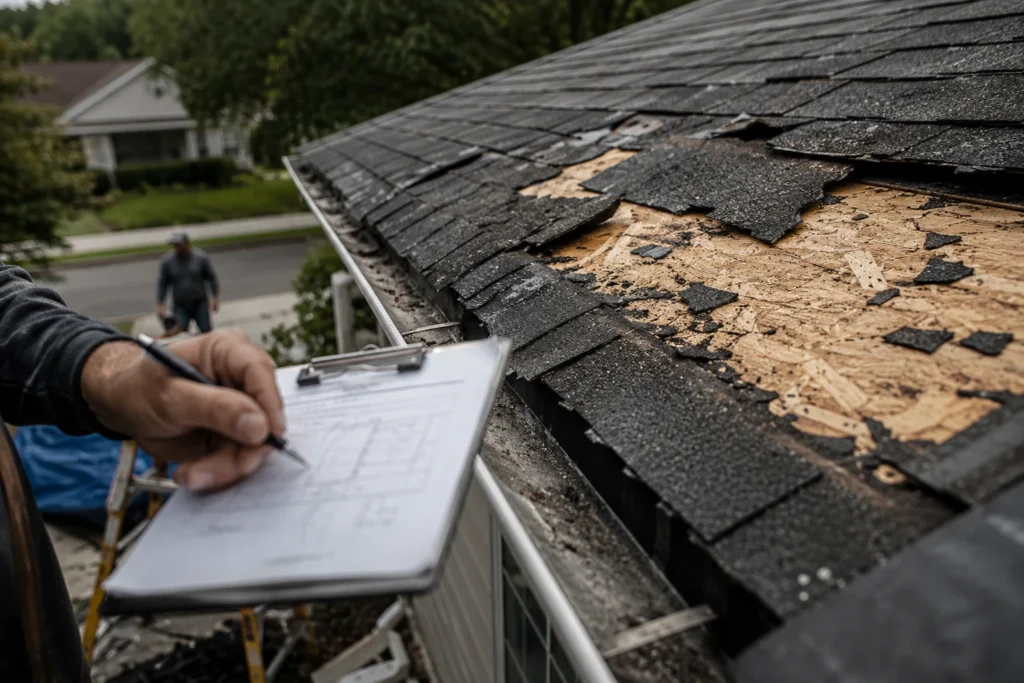
The hours after a hailstorm matter. A lot. What you do during this window can directly impact claim strength, settlement value, and repair timelines.
1. Prioritize Safety
Do not climb onto the roof immediately after a storm. Wet surfaces, structural weakening, and electrical hazards create serious risks. Start from the ground.
Look for:
- Fallen branches
- Broken windows
- Visible shingle debris
- Bent gutters
- Damaged siding
Then check the interior. Inspect ceilings, attic spaces, and upper walls for signs of water intrusion. If severe damage exists, shutting off electricity in affected areas may become necessary to reduce electrical hazards caused by water intrusion.
2. Prevent Additional Damage
Insurance policies generally require homeowners to mitigate further loss when possible.
That means:
- Tarping active leaks
- Moving valuables away from water
- Drying wet materials quickly
- Preventing mold growth
Keep receipts for emergency mitigation work. Those costs may become part of your claim documentation later. Temporary mitigation is not permanent repair work. The goal is stabilization until full repairs can be completed safely.
3. Schedule a Professional Inspection
This step is critical. Not all roofing inspections are equal. Some involve quick visual walkarounds. Others involve detailed slope-by-slope evaluations, moisture assessments, drone imagery, and collateral damage analysis. You want the second type.
Storm evidence fades surprisingly fast. Wind, rain, heat, and even foot traffic can reduce visible indicators within weeks. In areas like Leander, where severe weather patterns can shift rapidly between seasons, timely inspections become even more important. Many homeowners search online for guidance about “How to Document Hail Damage for an Insurance Claim” after realizing their photos and inspection records may directly affect settlement value.
How to Identify Hail Damage Before Filing a Claim
You do not need to become a roofing expert overnight. But understanding basic indicators helps you recognize when a claim may be necessary.
Exterior Warning Signs
Damage often appears beyond the roof itself.
Watch for:
- Dented gutters
- Damaged mailbox surfaces
- Broken fence stain patterns
- Cracked window screens
- Impact marks on garage doors
- Damaged AC condenser fins
These collateral indicators help establish storm intensity and support the overall claim narrative. Neighbors’ properties can also provide useful context. If nearby homes experienced roof replacements after the same storm, your roof may deserve closer inspection too.
Roof Surface Indicators
Different materials show impact differently.
Asphalt Shingles
- Random impact patterns
- Dark spots from granule loss
- Soft bruising
Metal Roofs
- Circular dents
- Finish cracking
- Distorted seams
Tile Roofs
- Corner fractures
- Surface chips
- Broken ridge caps
One of the biggest mistakes homeowners make during a hail roof damage insurance situation is assuming visible damage tells the whole story. It rarely does.
Interior Signs of Hidden Roof Damage
Roof problems often show up indoors first.
Common Interior Clues
- Ceiling stains
- Bubbling drywall
- Musty odors
- Wet insulation
- Attic condensation
- Mold growth
Water follows paths. A leak may appear far away from the actual roof penetration point. That’s why proper inspections involve both exterior and interior evaluation.
How to Properly Document Damage for Your Claim
Insurance companies pay based on evidence. Not assumptions. Strong documentation can dramatically improve claim outcomes. Weak documentation often leads to disputes, delays, or underpayment.
Take Photos the Right Way
Do not rely on a handful of random images.
Use three categories:
- Wide-angle photos
- Mid-range context photos
- Close-up detail photos
This creates a clear visual progression that helps establish damage location and severity.
Important Tip
Photograph all elevations of the property, not just the visibly damaged sections. Video walkthroughs can also strengthen documentation because they capture real-time conditions and broader property context.
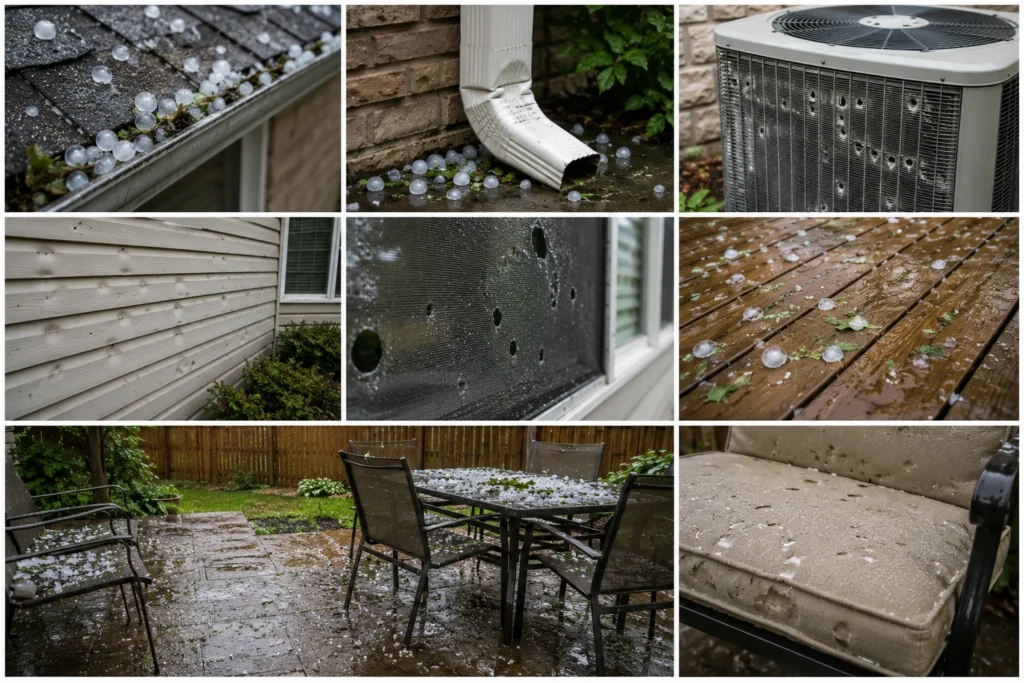
Document Collateral Damage
Collateral damage strengthens storm verification.
Photograph:
- Gutters
- Downspouts
- HVAC fins
- Siding
- Window screens
- Deck surfaces
- Outdoor furniture
These details help support your roof hail damage insurance claim Texas by demonstrating storm intensity beyond isolated roofing components.
Preserve Physical Evidence
If shingles or tiles detach naturally, preserve them.
Store:
- Broken shingles
- Tile fragments
- Damaged flashing
- Interior water-damaged materials
Physical evidence can become useful during supplement negotiations later.
Keep Every Communication
Create a dedicated claim folder.
Save:
- Emails
- Inspection reports
- Carrier letters
- Claim numbers
- Contractor estimates
- Phone notes
Small details matter more than people expect. Homeowners who maintain organized claim records generally navigate disputes far more effectively than those relying on memory alone. Some policyholders begin researching “What to Do If Your Hail Claim Was Denied in Leander, TX” when they receive partial coverage decisions or unexpected exclusions from the carrier.
Understanding the Insurance Claim Process
Filing a roof claim can feel confusing at first. The process contains multiple moving parts, timelines, inspections, and negotiations. Here’s how it typically works.
Step 1: Open the Claim
You contact the carrier and report storm damage.
They may ask:
- Date of loss
- Type of storm
- Description of damage
- Whether emergency repairs were completed
Be factual. Avoid speculation.
Step 2: Carrier Inspection
The insurance company assigns an adjuster to inspect the property. Some inspections are thorough. Others move quickly especially during catastrophe seasons when adjusters handle dozens of claims daily. This is where many underpayments begin. Homeowners should attend inspections whenever possible. Being present allows you to ask questions and ensure concerns are addressed directly.
Step 3: Estimate Creation
The carrier generates a scope of work and pricing estimate. This estimate becomes the foundation of the settlement offer. Unfortunately, estimates are not always complete.
Common Items Carriers Miss
Incomplete scopes are incredibly common in hail claims.
Frequently Overlooked Components
| Component | Why It Gets Missed |
| Flashing | Hidden beneath roofing layers |
| Underlayment | Requires tear-off visibility |
| Drip edge | Often excluded from basic scopes |
| Ventilation | Considered secondary |
| Code upgrades | Requires local code analysis |
| Steep roof charges | Additional labor omitted |
Missing items create financial gaps between actual repair costs and settlement amounts. That gap becomes the homeowner’s problem unless corrected. Accurate estimating becomes critical during the supplement phase, especially when dealing with issues related to “Hail Damage Claim Supplements: What Carriers Miss in Their Scope” after hidden roofing components are uncovered during tear-off.
Understanding Depreciation
Many homeowners panic when they see depreciation deductions. But depreciation is often recoverable.
Two Key Terms
- Actual Cash Value (ACV)
- Replacement Cost Value (RCV)
ACV reflects depreciated value. RCV reflects full replacement cost.
Once repairs are completed and documented, recoverable depreciation may be released depending on policy terms.
The Supplement Process Explained
Supplements are one of the least understood parts of the insurance process. They are also one of the most important.
What Is a Supplement?
A supplement is an additional request for payment based on:
- Hidden damage
- Missed scope items
- Pricing corrections
- Code requirements
- Updated measurements
Supplements are normal. Extremely normal. Initial inspections rarely capture every issue.
Why Hidden Damage Appears Later
Roof tear-offs reveal things surface inspections cannot.
Examples include:
- Rotten decking
- Wet insulation
- Compromised underlayment
- Improper flashing installation
- Structural deterioration
Once uncovered, those items require documentation and submission for supplemental approval.
How Supplements Are Built
Strong supplements rely on:
- Detailed estimates
- Supporting photos
- Contractor documentation
- Code references
- Material pricing validation
This is where estimating accuracy becomes extremely important.
Xactimate and Claim Pricing
Most insurance carriers use Xactimate estimating software.
It standardizes:
- Labor pricing
- Material pricing
- Regional costs
- Line-item calculations
But software accuracy depends on accurate inputs. If measurements are wrong or components are omitted, the estimate becomes incomplete no matter how advanced the software itself may be. A properly built supplement can dramatically increase settlement accuracy when initial estimates fail to reflect real repair conditions.
Why Public Adjusters Change Outcomes
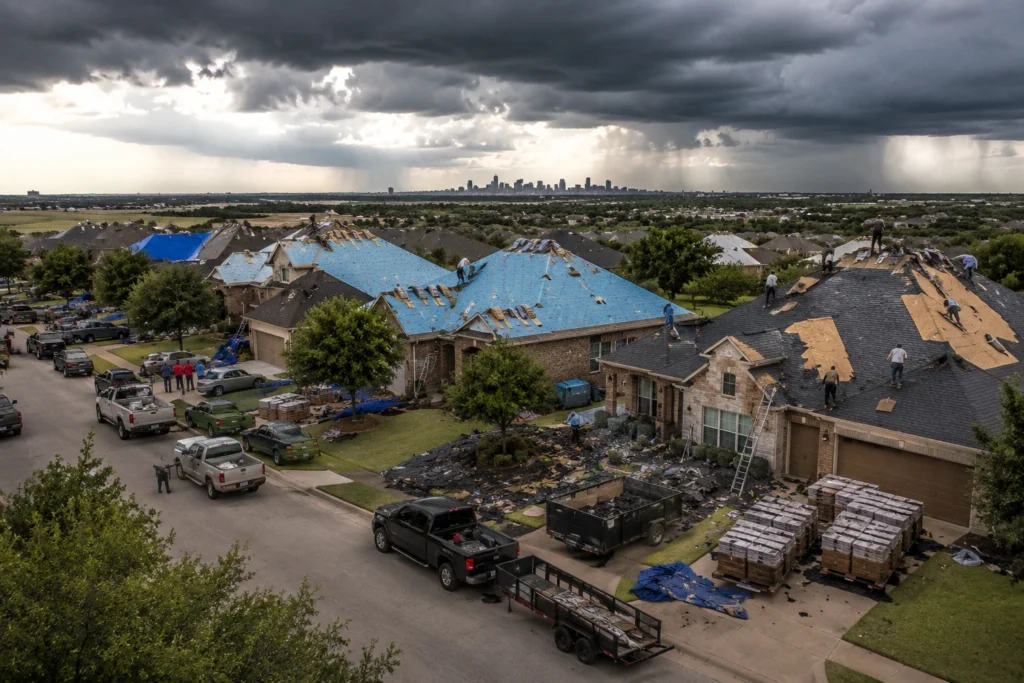
This is where the process often shifts significantly. A public adjuster works for the policyholder. Not the insurance company. That difference matters. A lot.
What a Public Adjuster Actually Does
A public adjuster:
- Reviews policy language
- Documents damages
- Builds detailed claim files
- Creates comprehensive scopes
- Negotiates with carriers
- Manages supplements
In many cases, they also identify damage categories homeowners and contractors initially overlooked.
Public Adjuster vs Insurance Adjuster
Here’s a simple comparison.
| Role | Represents |
| Insurance Adjuster | Insurance company |
| Public Adjuster | Policyholder |
Both may inspect the same property. But their responsibilities differ completely.
Why Representation Helps
Insurance claims involve:
- Technical roofing knowledge
- Pricing analysis
- Documentation standards
- Policy interpretation
- Negotiation strategy
Most homeowners handle only a few major claims in their lifetime. Adjusters handle them daily. That experience imbalance matters during a hail damage on roof insurance claim. For many homeowners in Leander, claim stress becomes overwhelming quickly especially when repair timelines, mortgage obligations, and insurance negotiations all collide at once.
Experienced guidance can help reduce that pressure significantly. Homeowners comparing representation options often look into “Public Adjuster vs. Insurance Adjuster for Hail Claims in Leander, TX” when trying to understand who actually advocates for their financial interests during negotiations.
Common Mistakes Homeowners Make After Hail Damage
Some mistakes are surprisingly common. And expensive.
Waiting Too Long
Storm evidence fades. Policies contain reporting deadlines. Delays weaken claims.
Accepting the First Settlement Too Quickly
Initial offers are not always final offers. Many claims require supplements because hidden damage appears during repairs.
Throwing Away Damaged Materials
Preserve evidence whenever possible.
Especially:
- Broken tiles
- Detached shingles
- Interior water-damaged materials
Hiring Based Only on Price
Cheap roofing bids often lead to:
- Low-quality materials
- Poor workmanship
- Incomplete repairs
- Warranty problems
The cheapest option frequently becomes the most expensive later.
Ignoring Interior Damage
Roof damage is not always limited to the roof itself.
Moisture intrusion affects:
- Insulation
- Drywall
- Flooring
- Framing
- Electrical systems
Document everything.
How to Protect Your Roof Long-Term
A roof claim should not only solve immediate damage. It should improve long-term protection.
Schedule Regular Inspections
Annual inspections catch problems early. Especially after severe weather seasons.
Maintain Drainage Systems
Clogged gutters accelerate water intrusion risks.
Keep:
- Gutters clean
- Downspouts functional
- Drainage pathways clear
Upgrade When Appropriate
Impact-resistant materials may reduce future storm vulnerability.
Potential upgrades include:
- Class 4 shingles
- Enhanced underlayment systems
- Improved ventilation
- High-impact metal systems
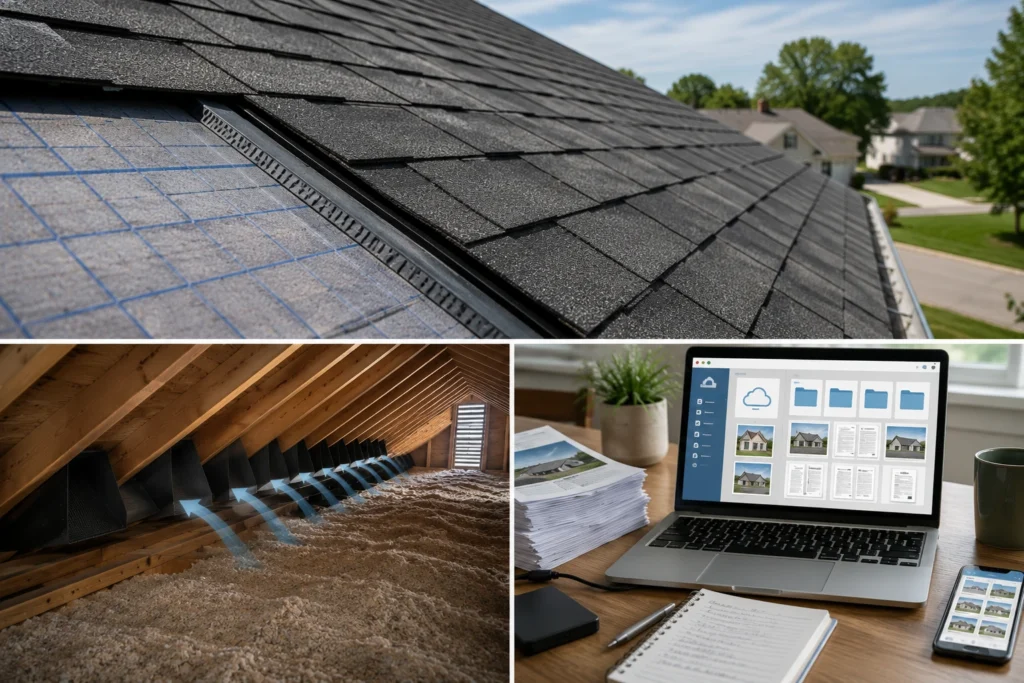
Keep Digital Records
Store:
- Inspection reports
- Repair invoices
- Warranty information
- Before-and-after photos
Future claims become easier to support with organized records.
Why Texas Hail Claims Require Extra Attention
Texas consistently experiences some of the highest hail claim volumes in the country.
That creates pressure on:
- Roofing contractors
- Insurance carriers
- Adjusters
- Material suppliers
During major storm seasons, inspections sometimes become rushed simply because claim volume explodes. That’s why homeowners pursuing a roof hail damage insurance claim Texas need thorough documentation and careful claim review. In growing communities like Leander, rapid development also increases roofing demand after severe storms, which can create contractor shortages and repair delays. Preparation matters.
Final Thoughts
Hail damage claims are not just paperwork exercises.
They directly affect:
- Property value
- Structural protection
- Long-term maintenance costs
- Financial recovery
A rushed inspection today can create expensive problems years later. An incomplete scope can leave homeowners paying thousands out of pocket. Weak documentation can reduce settlement value dramatically. The good news? Most of these problems are preventable. Understand your roof system. Document damage carefully. Review estimates thoroughly. Ask questions. Challenge missing items when necessary. And if the process becomes overwhelming, experienced representation can make a meaningful difference. That’s especially true in storm-prone areas like Leander, where hail events can create widespread roofing damage across entire neighborhoods within minutes. Protecting your roof starts long before repairs begin. It starts with understanding the claim process itself.
FAQs
Look for missing granules, dents, cracked shingles, damaged gutters, or water stains inside the home after a storm.
You should schedule an inspection quickly so damage can be documented before evidence fades or additional issues develop.
Most policies cover storm-related roof damage, but coverage depends on your policy terms, deductible, and exclusions.
Yes. Small fractures and weakened materials may allow moisture intrusion long after the storm has passed.
Some scopes miss hidden damage, code upgrades, flashing, ventilation components, or accurate material pricing.
A supplement is a request for additional payment when hidden damage or missing repair items are discovered after the initial estimate.
Yes. Hail can dent panels, damage coatings, loosen fasteners, and affect seam integrity on metal roofing systems.
Absolutely. Organized records help support future claims, warranty issues, and property value documentation.
An insurance adjuster represents the carrier, while a public adjuster works on behalf of the policyholder.
Texas experiences frequent severe storms, high claim volume, contractor demand, and fast-moving catastrophe inspections that can affect claim accuracy.